A Kojent Partners brand

Product design, engineering and delivery

Build the product
around the
outcome.

Kojent Kode works with you to design, build and improve software that serves a clear business purpose. We agree what the product should achieve, put early versions in the hands of real users, and use what we learn to shape the finished product.

From the workbenchActual products. Working software.

Kojent Maps

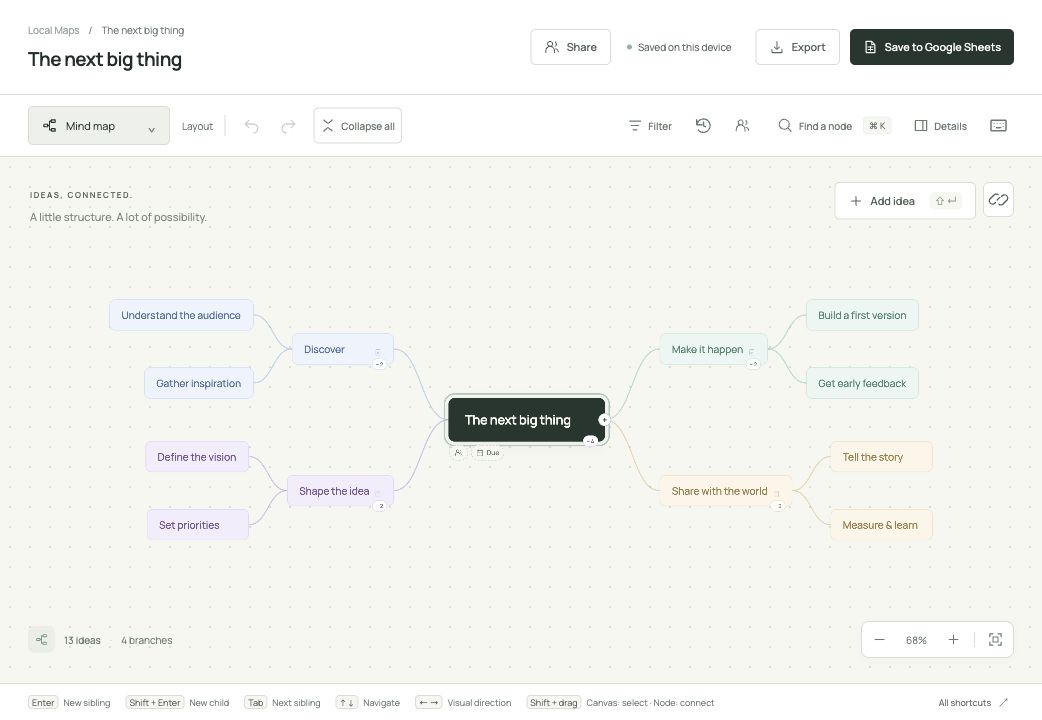
Kojent Maps showing its sample map, The next big thing
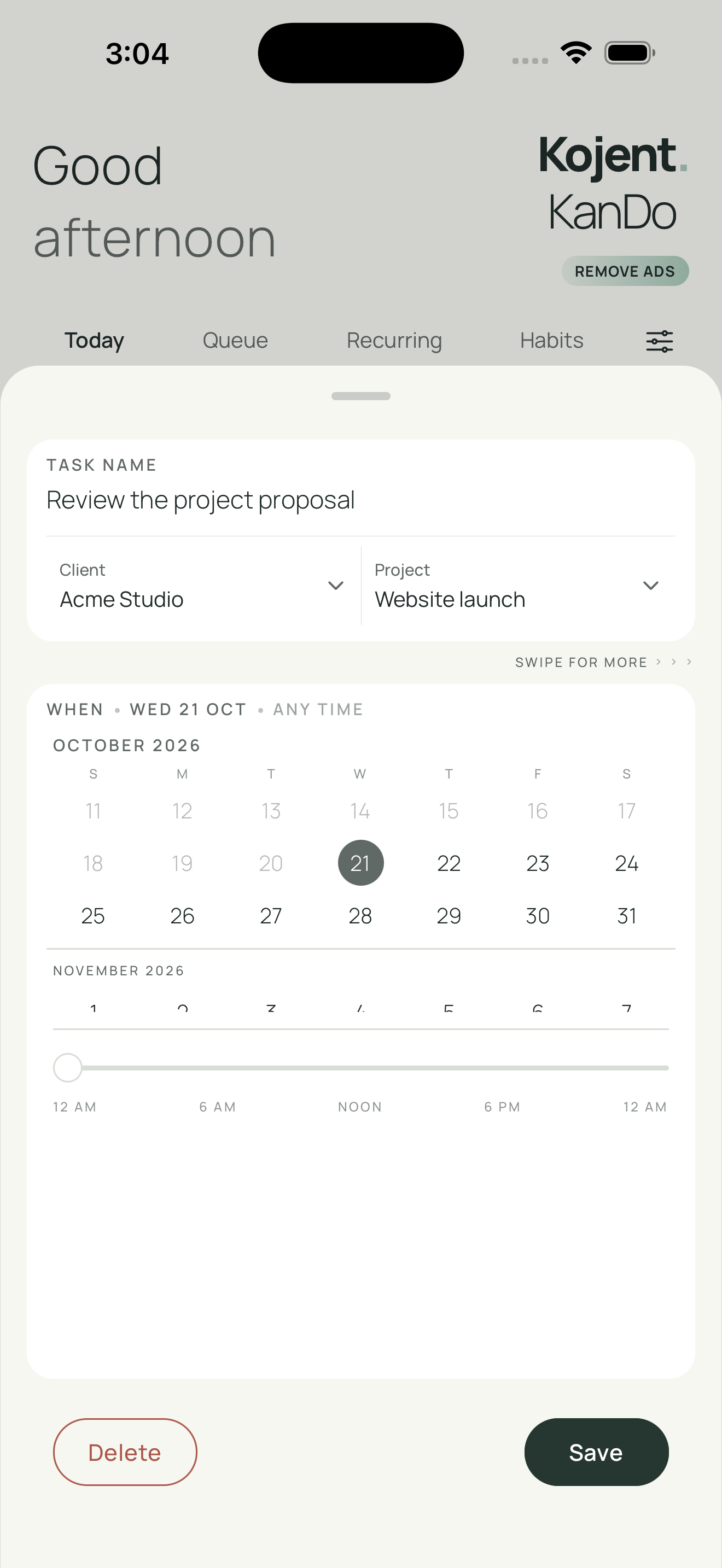
Actual Kojent KanDo task editor with example client and project fields
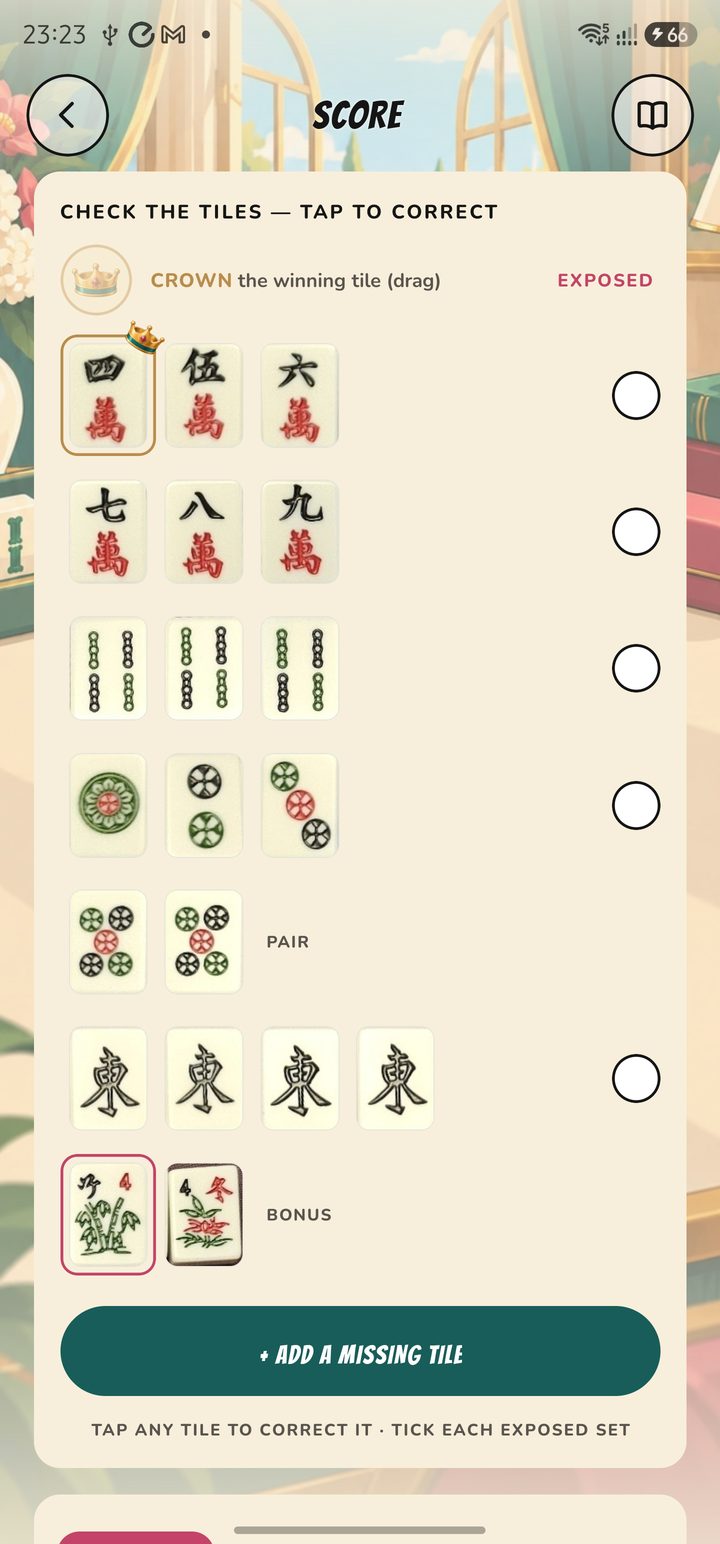
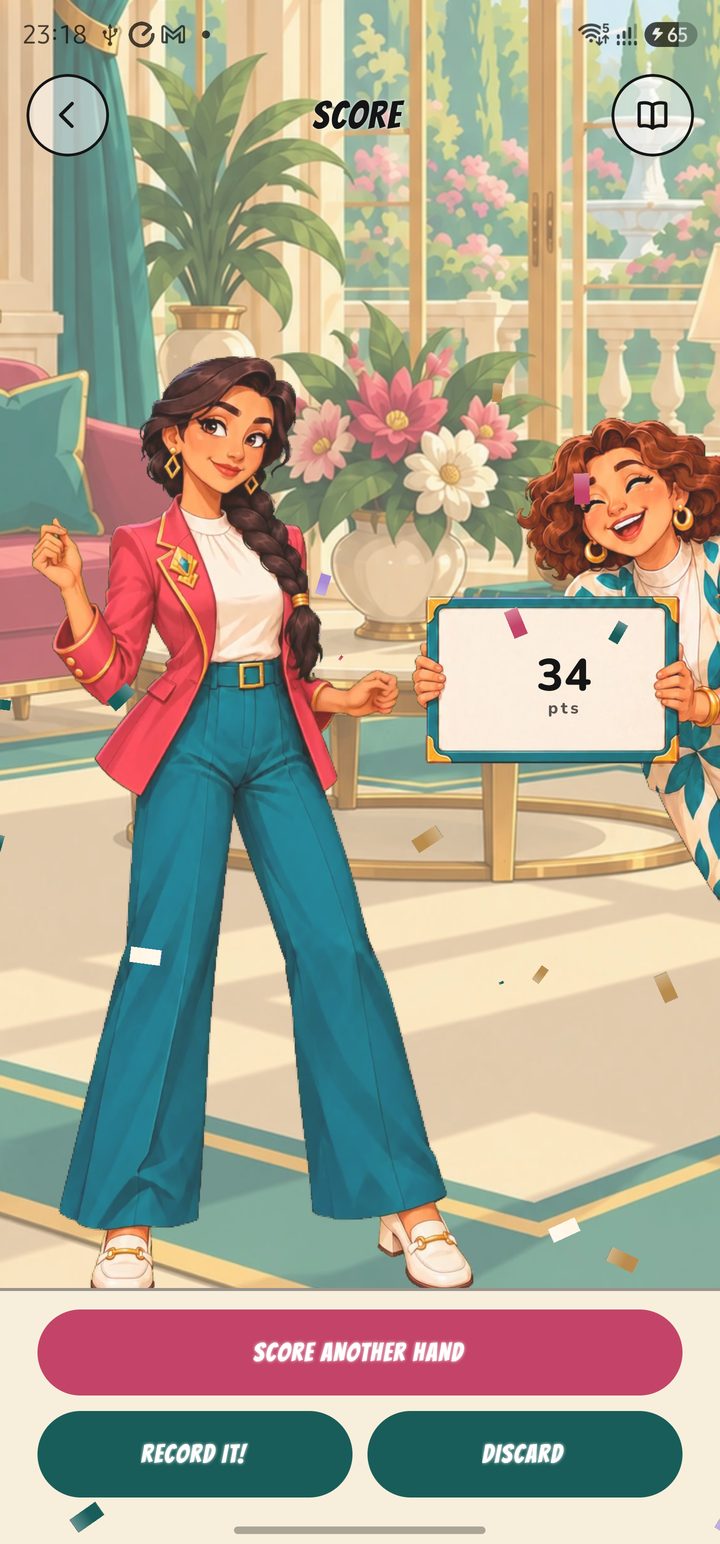
Hé Fēn displaying the result of scoring a photographed mahjong hand
Actual product screens
Sample map and task
AI & machine learningCollaborative applicationsMobile & web productsFrom first version to final product

01 / The design partnership

The brief is the
beginning of the
design process.

We help you work through what will make the product valuable.

For a customer-facing product, that includes why someone would choose it and keep using it. For an internal tool, it means understanding the work it needs to improve and how the team will use it.

As a Kojent Partners brand, we bring commercial judgement to design and engineering. We examine the trade-offs between usefulness, complexity, cost and reliability, and challenge features that do little to advance the goal.

Working versions make those decisions more concrete. Your team can try a workflow, question a recommendation and identify what is missing. That feedback shapes the next iteration and the requirements for the finished product.

02 / Our approach

Close collaboration. Visible progress.

Develop together.
Test in practice.

Rapid prototyping is part of a continuing development process. What we learn from each working version shapes the next.

Product discovery

Define the outcome.

We work with you and the intended users to understand the problem, the existing workflow and what success would look like. We agree acceptance criteria for the functionality and how we will assess the intended benefit.

Available data, integrations and operating requirements inform the design from the outset.

What takes shape

A shared product goal, success measures and the assumptions to test.

Your involvement

Your priorities, users and working context.

Feedback returns to the backlog. The next release builds on what we learn.

03 / Engineering in practice

Explore the work behind the product

Technical depth.
Practical purpose.

Products that help people plan together, make better selections and spend less time organising or checking their work.

01AI & machine learning

Find the right creators.
Review what they deliver.

Influencer marketing agency
Kojent experience · Working prototypes & handover

A shortlist shaped by the campaign.

The agency needed to understand its creator pool and match people to client needs without repeating the same manual research for every brief. We assessed what generated client value, developed the technology roadmap and prototyped its most critical elements.

The matching prototype uses creators’ content and profile information to identify relevant candidates for a campaign. It gives the team a starting point they can examine and refine, with more time to judge suitability and shape the client recommendation.

Tested before handover

The agency tested and refined the functionality before handover to outsourced developers.

02Collaborative applications

Make the connections.
Build the plan.

Explore Kojent Maps

Kojent Maps / Sample map

Actual Kojent Maps canvas with discovery, design, development and launch branches in a sample map
Actual product · Default sample map

Kojent Maps

Turn a discussion into a plan everyone can see.

Bring scattered ideas into one shared map. See how they connect, keep the supporting notes alongside them and work out the next steps together. As a project develops, the team can update the same plan. A connected AI assistant can help explore alternatives, expand an idea or suggest a structure; you decide what belongs in the map.

Visual planningLive collaborationAI assistance
Inside the engineering

Google Sheets provides shared storage and an append-only change history. The application synchronises edits, retries interrupted updates and handles conflicting changes so colleagues can work on the same map.

The Model Context Protocol (MCP) lets a connected AI assistant read selected maps and propose new maps or changes to their structure, notes and relationships. Users review proposals before applying them, with permission and revision checks protecting the shared work.

From ideas to a shared plan

  1. 01Capture ideas
  2. 02Connect & organise
  3. 03Develop together
  4. 04Agree next steps

Ideas, context and next steps stay connected as the plan evolves.

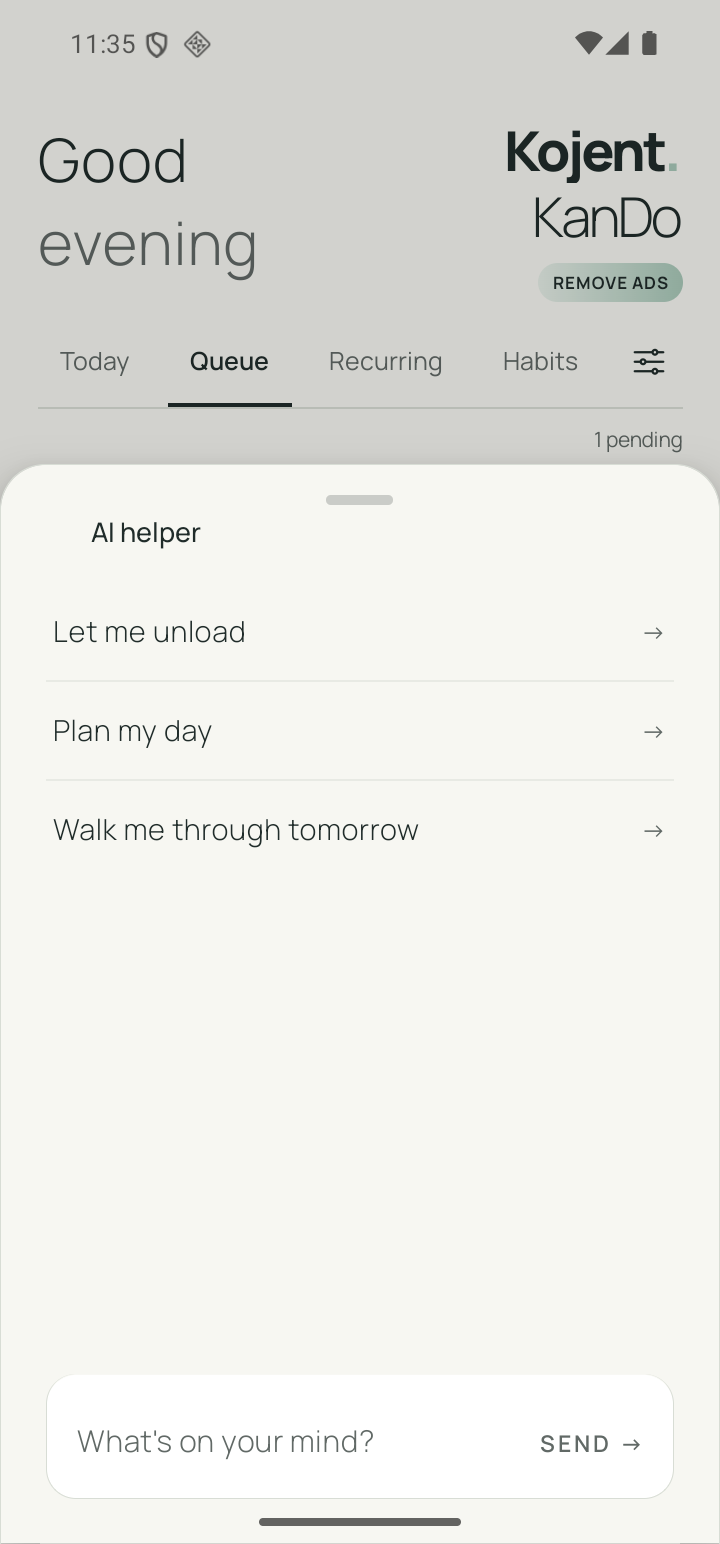
Kojent KanDo

Actual KanDo task editor showing a sample project task, client allocation and date selection
Actual Kojent KanDo AI helper with an editable natural-language input

Actual product screens · Example task

03Personal AI & habit formation

From a brain dump
to a plan you can use.

KanDo began as an aid for people with ADHD: capture a thought quickly, without having to organise it first. AI turns spoken or typed brain dumps into tasks and sub-tasks, identifying key details, dates and people to follow up with.

Over time, corrections teach it which tasks belong to work, personal life or another area, reducing the need to organise each new entry by hand. It also spots recurring patterns in completed tasks and suggests routines, helping users build habits around what they actually do. Users choose which suggestions to adopt.

Capture freelyStructure the workLearn from use
Inside the engineering

AI extraction separates actions, sub-tasks, dates and named people from free-form input. Runtime validation checks the resulting task structure before it enters the app. Follow-up actions can become contact reminders, with users choosing which contact details to link.

Repeated corrections build category preferences that inform later extraction. Completed-task history is analysed for recurring patterns; proposed routines are checked against existing habits and earlier dismissals before being offered to the user. Once accepted, application logic handles recurrence and reminders.

Explore Kojent KanDo

04Computer vision that learns

Score the hand.
Keep the game moving.

Explore Hé Fēn Mahjong
Hé Fēn showing recognised photographic tile crops, grouped for the player to check and correct
Hé Fēn displaying a scored hand with options to record it or score another hand
Actual app screens · Tile review and scoring

Hé Fēn Mahjong

Less time working out the score.

Photograph a mahjong hand, check the recognised tiles and calculate its score. Hé Fēn handles tile identification and scoring so players can get back to the game. It also learns from reviewed hands and corrections, helping it recognise the player’s own tiles on later scans, even as sets differ in print, shape and wear.

  1. 01
    Photograph the hand

    Capture the tiles instead of entering each one by hand.

  2. 02
    Check what it sees

    Review the recognised tiles and correct anything it has misread.

  3. 03
    Score & continue

    Calculate the hand’s score, then record it or move on to the next hand.

Learning from useMachine learningOCR
Inside the engineering

The vision pipeline locates, crops and straightens each tile, then combines appearance recognition, numeral and symbol reading, spatial evidence and rules-based checks. Server-side recognition feeds local hand interpretation and scoring, where explicit game rules determine what the hand is worth.

When the player scores a reviewed hand, recognised tile features and their labels update a personal recognition bank. Later scans use those examples alongside the shared model. Players can also teach the system their set directly through guided enrolment.

Learning built into the workflow

  1. 01Scan the tiles
  2. 02Review & correct
  3. 03Score & learn
  4. 04Use on the next scan

Each reviewed hand can add useful examples of the player’s own set.

04 / Product delivery

From the first
working version
to the finished product.

In most engagements, Kode can deliver the final product.

Where the solution requires specialist expertise or a different architecture for its expected scale, we draw on our network of development partners for the relevant scope.

We agree how the work will be coordinated, who is responsible for each part and how it will be tested and accepted. The delivery plan also covers ownership, documentation, handover and any continuing support. Those decisions are shaped by the product’s requirements from the outset.

Let’s build something useful

What do you want
the product to achieve?

You may have an early idea, a detailed brief or an existing product that needs to work better. Share the problem, who it affects and what you have tried so far.

Kode@KojentPartners.com+971 (0) 50 609 5115

You can review the message in your email app before sending.